

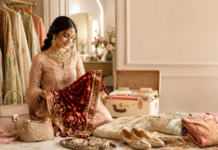





In an industry where fashion campaigns are increasingly designed to capture attention in a matter of seconds, creating imagery that lingers in the viewer’s mind has become a far greater challenge. Fabbat’s latest bridal campaign succeeds because it does not behave like a conventional fashion campaign at all. Instead of presenting a sequence of garments, it introduces us to a world.
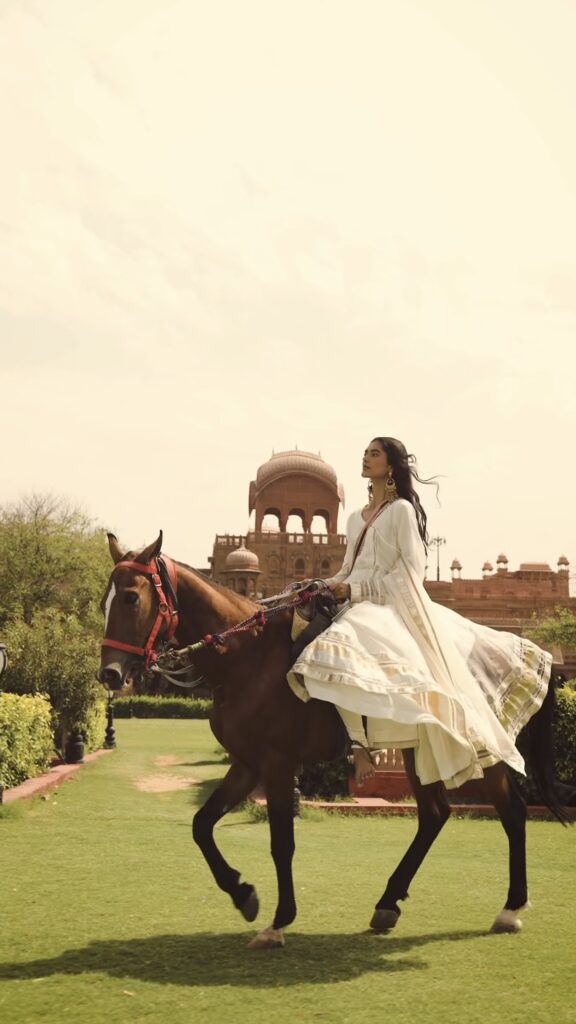
A world inhabited by Ameera, Zoya, Noor, Sehar, and Mehroonisa. A world of palace corridors, sandstone courtyards, horses, attendants, heirloom jewellery, and women whose stories seem to extend far beyond the frame. By the time the campaign reaches its final image, the viewer is left with the feeling of having travelled through a story rather than a catalogue. That distinction is what makes this campaign remarkable.
When a Bridal Campaign Becomes a Narrative
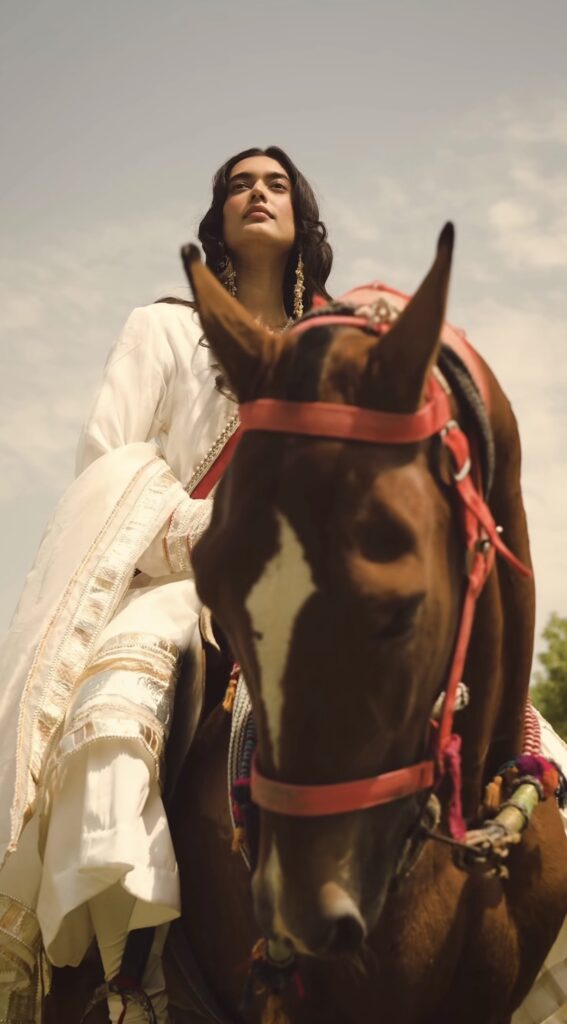
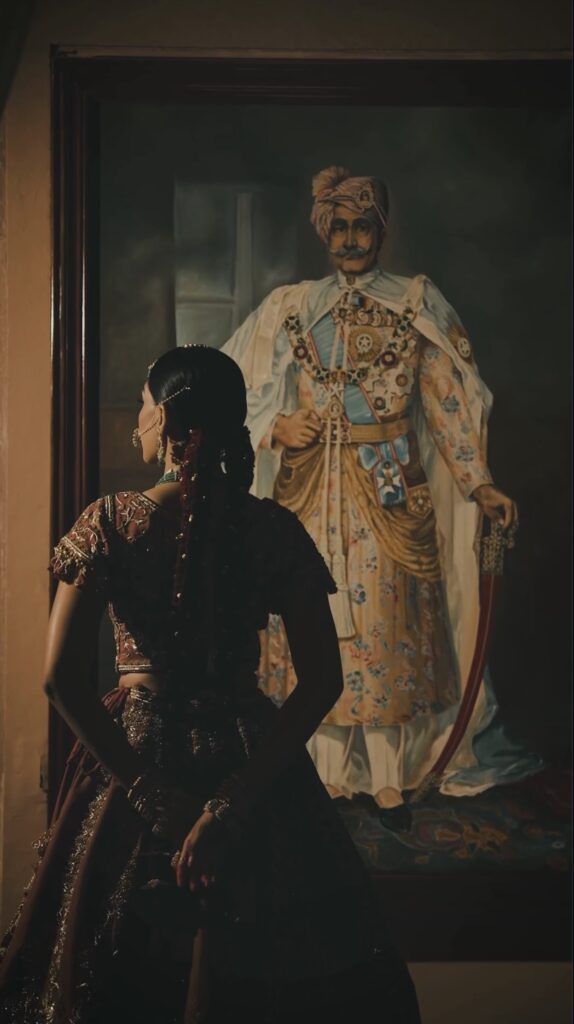
Most bridal campaigns begin with a collection and then search for a story around it. Fabbat appears to have approached the process differently. The campaign unfolds through a series of characters rather than a series of outfits. Each woman carries a distinct presence. Some appear contemplative, others confident, while some seem caught in moments of transition. Their journeys are never fully explained, allowing the audience to participate in the storytelling.As viewers, we begin to ask questions. Who is Ameera? What is Mehroonisa waiting for? Where is Noor headed? How are these women connected? The campaign never provides definitive answers, and that restraint becomes one of its greatest strengths. In doing so, Fabbat transforms bridal fashion into narrative.
Also read Your Wedding Outfit Should Reflect Who You Are, Believes the Founder of PK Label
The Architecture Is Not a Backdrop
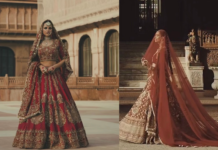
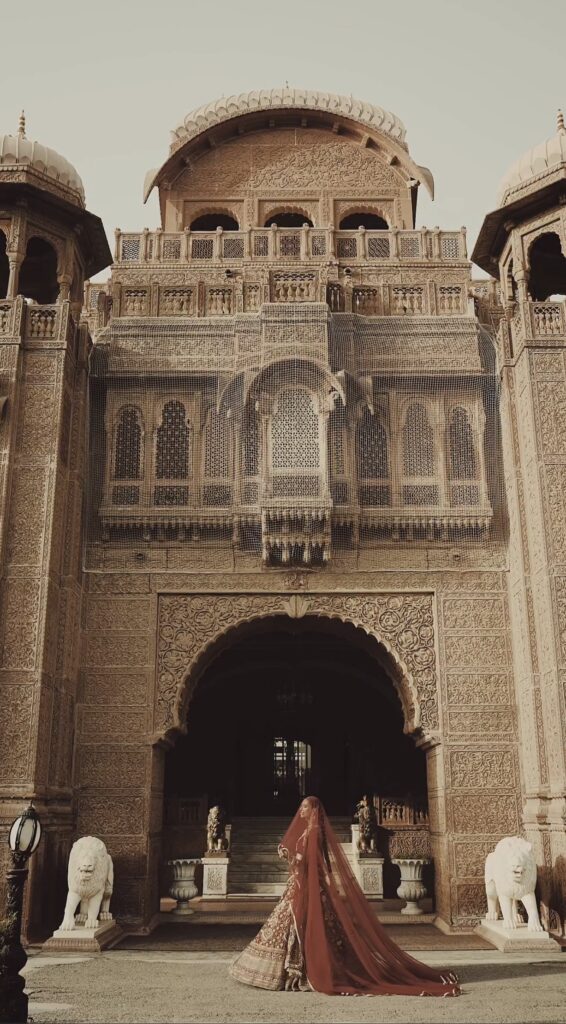
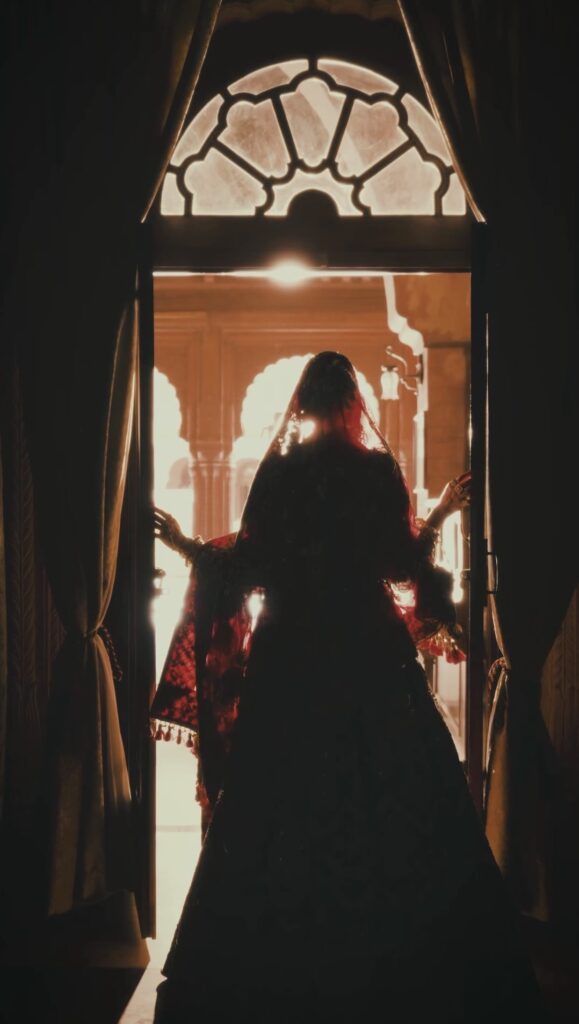
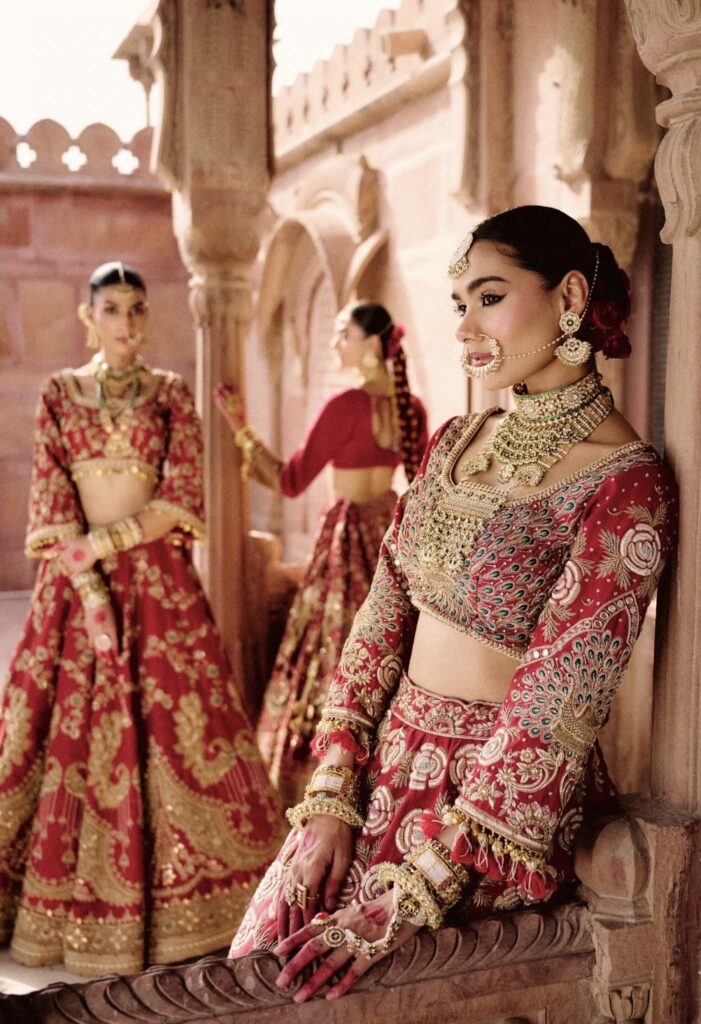
One of the most compelling aspects of the campaign is its use of space. The palace architecture is not treated as decoration. Instead, it functions as an active participant in the story. Arched passageways, carved balconies, weathered walls, courtyards, and sunlit corridors create an atmosphere that feels lived in rather than staged. Many luxury bridal campaigns use heritage properties as visual spectacle. Here, the architecture serves a deeper purpose. It provides context. It tells us something about the women inhabiting these spaces. It suggests history without explicitly narrating it.
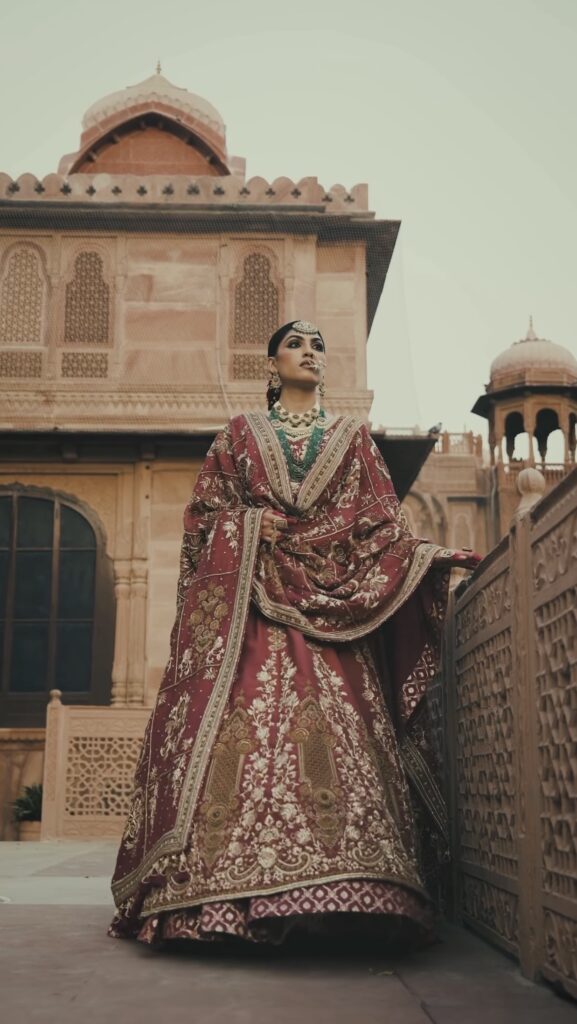
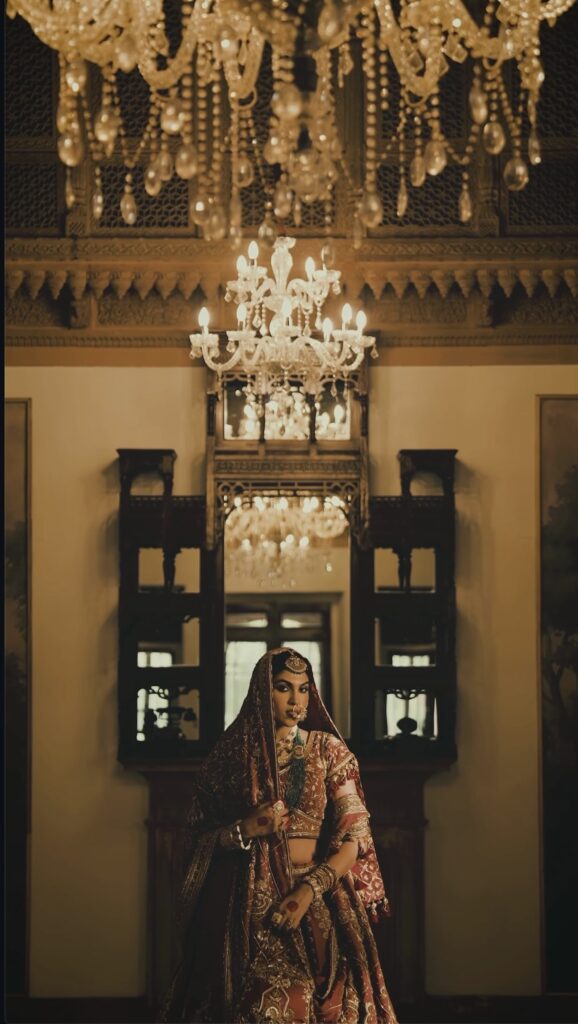
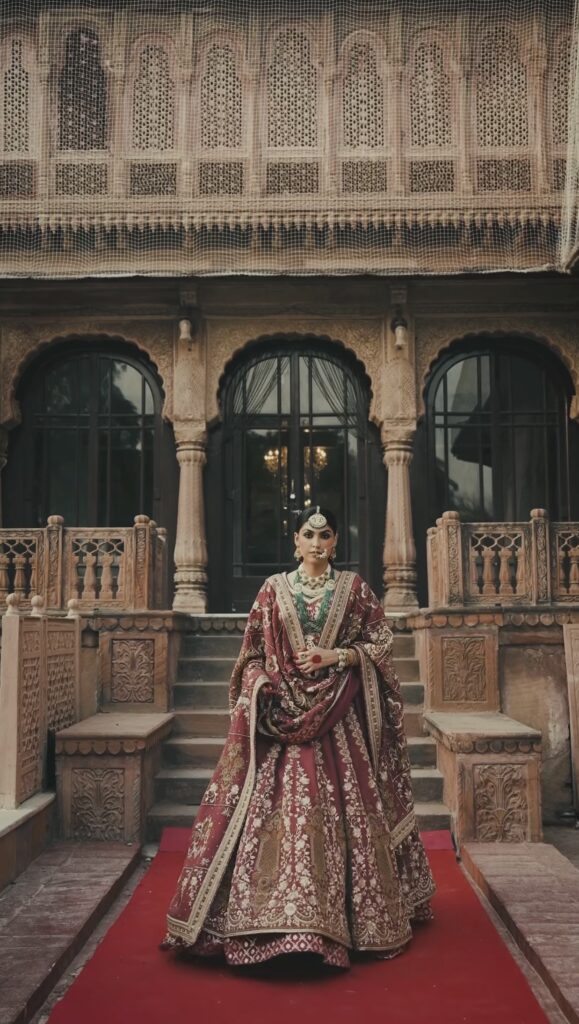
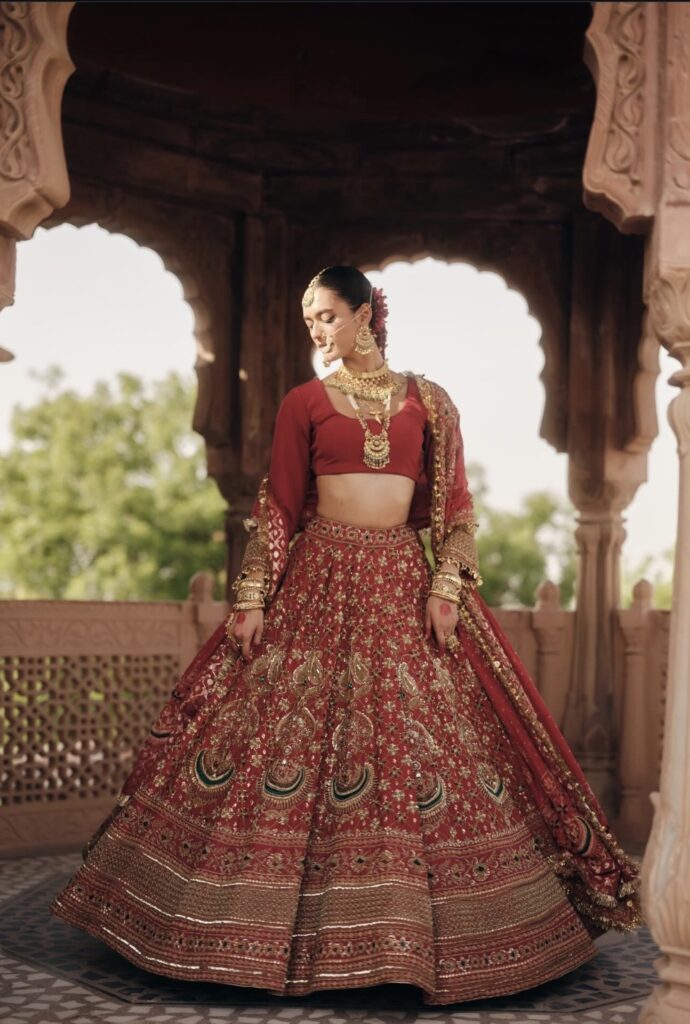
Every frame feels connected to the one before it, creating a sense of continuity that is often missing from modern fashion photography.
Fashion as a Tool for Storytelling
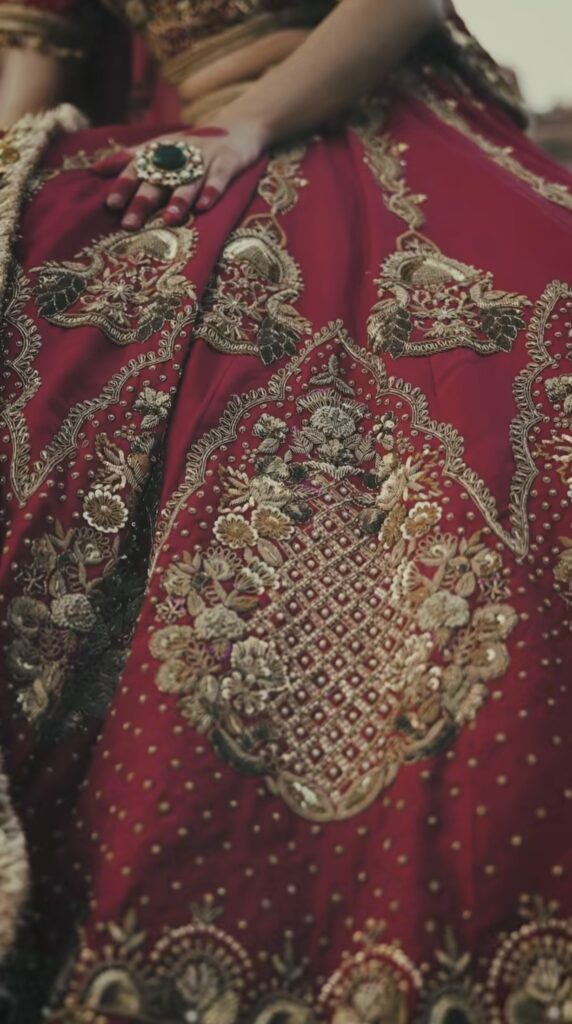
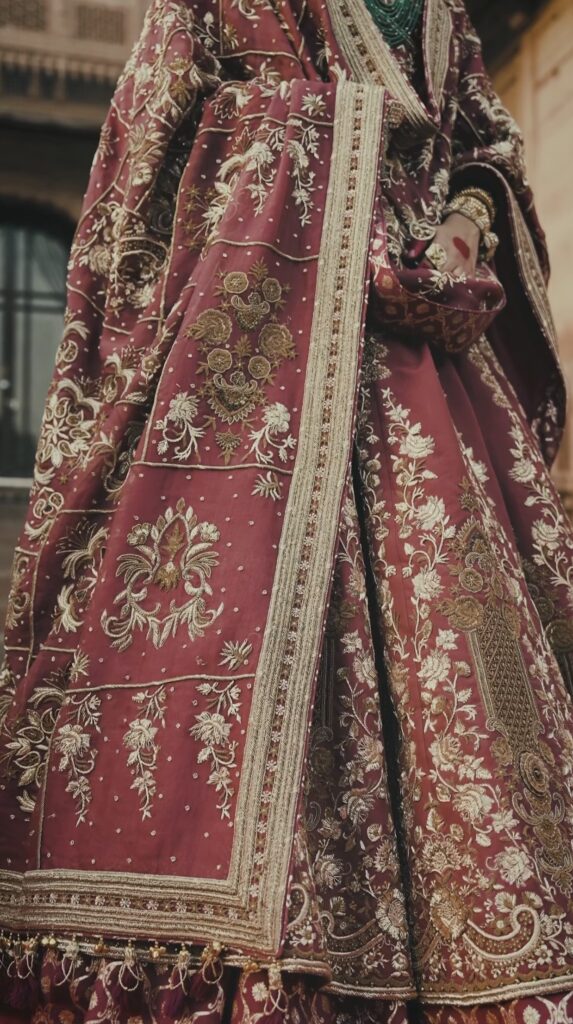
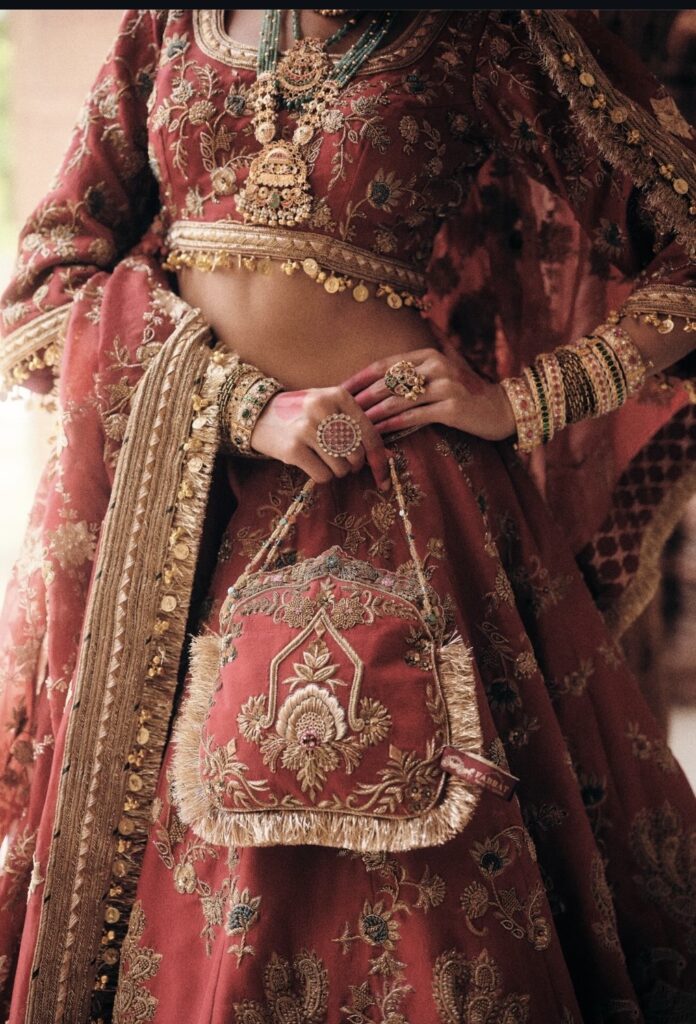
The bridal lehengas themselves deserve attention.
Punjabi Bridal Styling Guide: A Stylist’s Approach to Getting Your Bridal Look Right
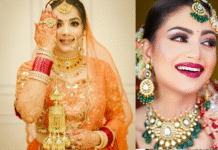
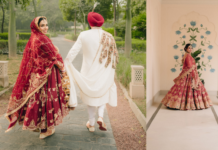
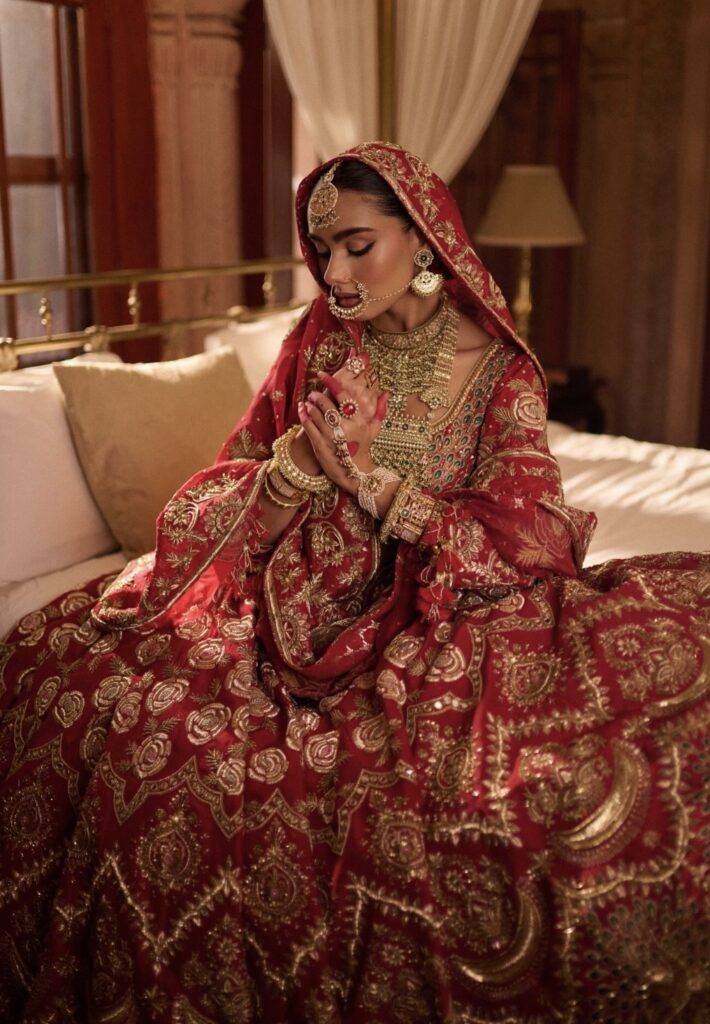
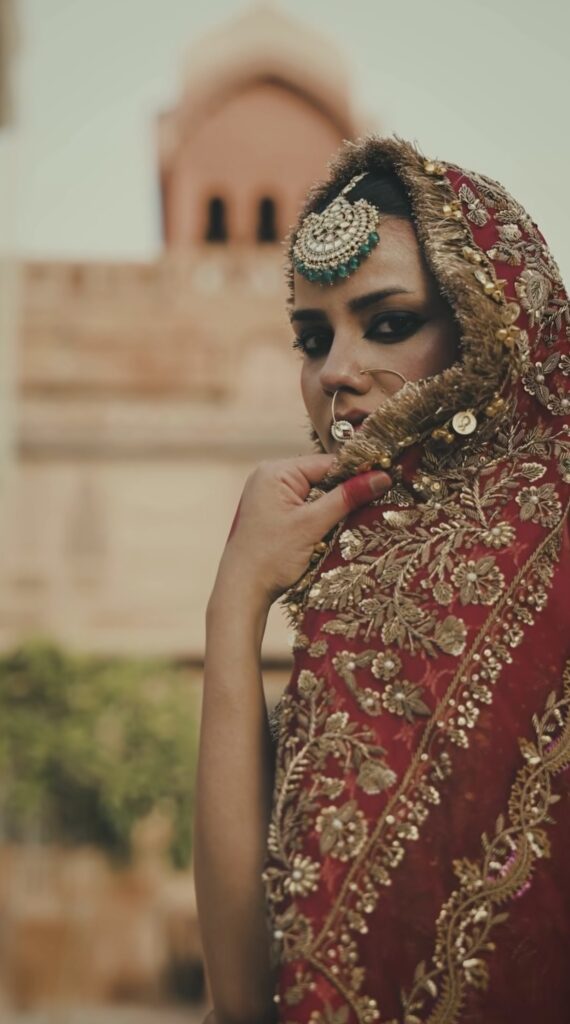
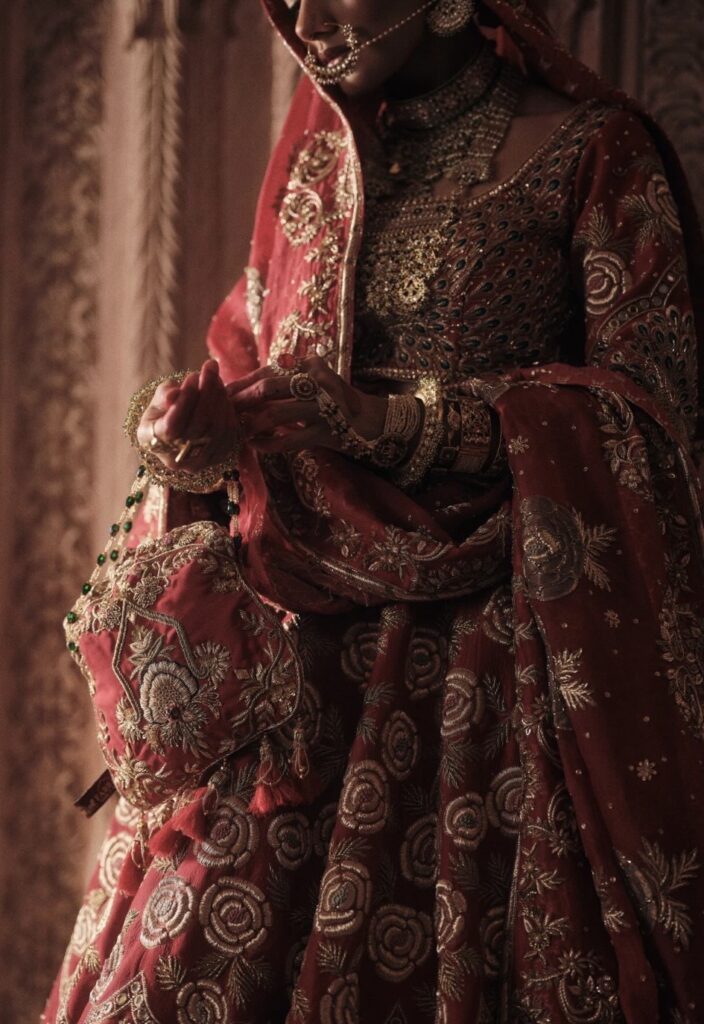
Rich reds, antique gold embroidery, heritage-inspired jewellery, and regal silhouettes establish a visual language rooted in tradition. Yet the garments never overpower the narrative. Instead, they support it. The styling feels intentional rather than excessive. Whether it is a heavily embroidered red bridal ensemble, a softer rose-toned look, or a richly layered royal silhouette, every outfit appears designed for the character wearing it. This is where the campaign distinguishes itself from traditional bridal advertising. The garments are not presented as products. They are presented as part of a larger story.
The Rise of World Building in Indian Bridal Fashion
Over the last decade, some of the most influential fashion houses have moved beyond simply showcasing collections. They have focused on building worlds. Audiences today are not only drawn to craftsmanship and design. They are equally attracted to atmosphere, emotion, identity, and storytelling.
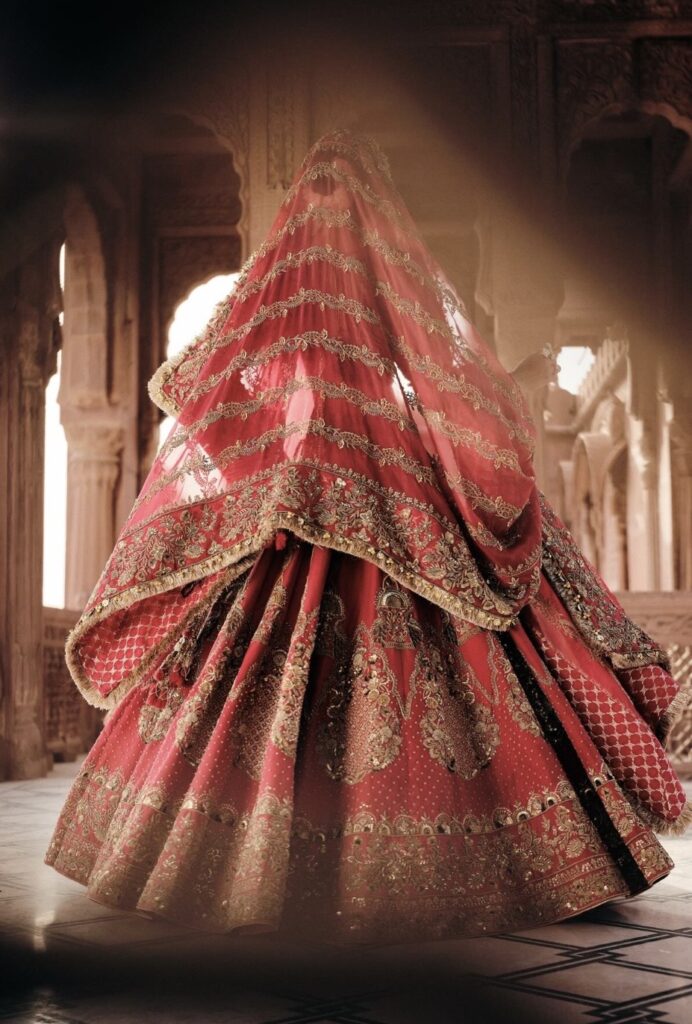
Fabbat’s latest campaign understands this shift. Rather than asking viewers to admire embroidery or silhouette alone, it invites them into an immersive experience where fashion, architecture, memory, and imagination coexist. The result feels cinematic without becoming theatrical. Grand without becoming overwhelming.Luxurious without losing emotional depth.
Why the Campaign Stays With You
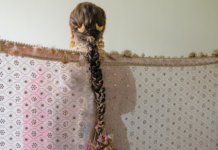
Perhaps the most successful element of the campaign is its attention to detail. A woman pausing beneath an archway. Attendants preparing a royal figure. A horse moving through palace grounds. A braid adorned with flowers. A glance exchanged between characters.
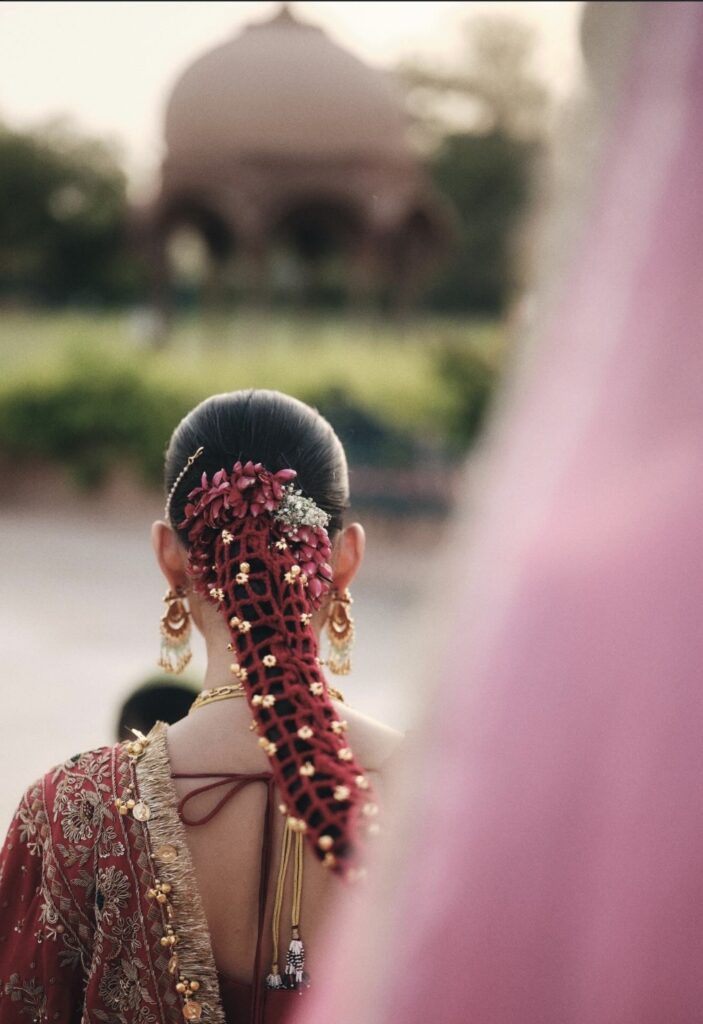
Individually, these moments may seem insignificant. Together, they create the illusion of a living world. The viewer begins to feel that these women existed before the camera arrived and will continue to exist after the photograph ends. That is the hallmark of successful storytelling.
More Than a Bridal Collection
Fabbat’s latest bridal campaign is ultimately a reminder that fashion has the ability to transport us.
It demonstrates that a bridal collection does not need to rely solely on spectacle to leave an impression. Sometimes, the most memorable campaigns are those that trust the audience enough to leave parts of the story untold. In an era dominated by fast-moving content, Fabbat has chosen a slower and far more rewarding approach.The result is a campaign that feels less like a fashion advertisement and more like a beautifully illustrated storybook. And that is precisely why we find ourselves returning to it.
In doing so, Fabbat transforms bridal fashion into narrative.
Images : Fabbat
Read next Kora Bridal Collection by Akriti Ritika: What Makes It Stand Out