






Cover Image The PK Label
Fashion is cyclical, and every few years, a silhouette from the past re-emerges, captivating the modern audience. One such garment making a grand comeback is the Farshi Salwar—a majestic, floor-grazing ensemble synonymous with Mughal elegance. Rooted in centuries of tradition, the Farshi Salwar is experiencing a resurgence, championed by designers, stylists, and fashion enthusiasts who appreciate its dramatic flair and timeless sophistication.

The Farshi Salwar derives its name from the Persian word “farsh,” meaning “floor,” emphasizing its signature trailing hemline. Originating in the 17th-century Mughal courts, this opulent ensemble was a staple among noblewomen, designed to mirror the grandeur of European gowns introduced during British rule. Crafted from luxurious silks, brocades, and velvets, the garment was often embroidered with zardozi, gota-patti, and intricate handwork, symbolizing royalty and sophistication.
With the partition of India, the Farshi Salwar found a lasting presence in Pakistan, where it continued to flourish as part of bridal and festive wear. In India, however, it gradually faded from mainstream fashion as churidars and palazzos took precedence. Today, however, this regal ensemble is making a bold return—one that fashion houses and influencers are embracing wholeheartedly.
Why Is the Farshi Salwar Making a Comeback?
Several factors have contributed to the revival of the Farshi Salwar:
1. Influence of Pakistani Fashion and TV Dramas
The rise in popularity of Pakistani TV dramas and social media influencers has played a crucial role in bringing traditional silhouettes like the Farshi Salwar back into the limelight. Actresses such as Hania Aamir and Sadaf Kanwal have been spotted donning the look, reviving nostalgia and inspiring South Asian fashion lovers globally.

2. Designer Revivals & Contemporary Interpretations
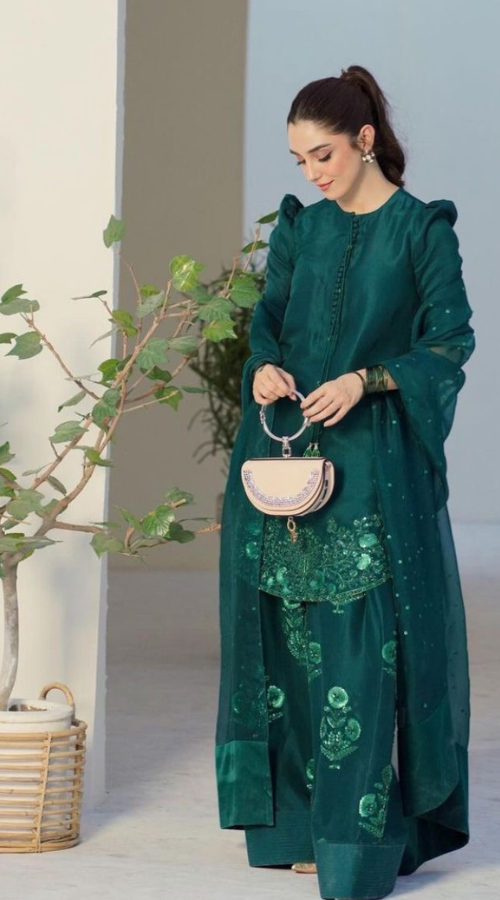
Fashion houses and couturiers, including Hussain Rehar, Zara Shahjahan, Heena Kochhar, and Sheetal Batra, have modernised this, incorporating lighter fabrics, innovative cuts, and contemporary embellishments while staying true to its Mughal roots.

3. The Resurgence of Heritage Fashion
As the world shifts towards slow fashion and heritage couture, there is a growing appreciation for artisanal craftsmanship. This Salwar fits perfectly into this movement, offering a statement-making silhouette that is both regal and sustainable.
Also Read Riwayat Festive Collection by Navneet Arpan: Punjabi Bridal Fashion Inspiration 2025
How to Wear the Farshi Salwar: The Ultimate Guide
1. Fabric Matters: Choosing the Right Material

The magic lies in its graceful drape, which depends significantly on the fabric choice:
- Silk & Banarasi Silk – Ideal for formal and bridal wear, lending a luxurious sheen and structure.
- Georgette & Chiffon – Lightweight and flowing, perfect for a breezy, effortless look.
- Velvet – A winter favorite that adds depth and richness.
- Cotton & Linen – Breathable options for casual wear, offering comfort while maintaining volume.
2. Mastering the Length: It Must Touch the Floor
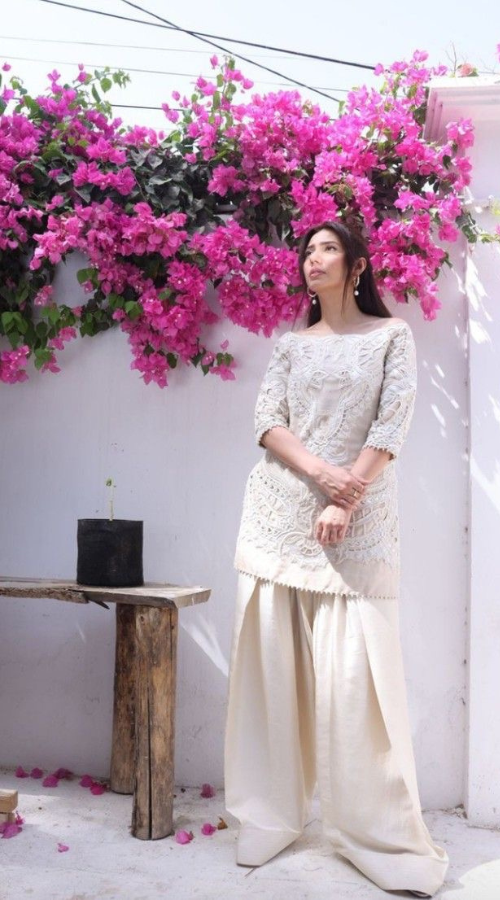
A true Farshi Salwar must graze the floor. Any version that ends above the ankles loses its essence. The extended hemline creates an illusion of elongated legs and refined elegance, making it a favorite among women who appreciate traditional silhouettes.
3. Avoid Mixing It with a Patiala Salwar
One common misconception is equating the Farshi Salwar with the Patiala Salwar. While both have volume, the Farshi Salwar is characterized by its structured pleats and cascading drape, whereas the Patiala features bouncy pleats that gather at the ankles. Confusing the two can lead to a styling faux pas!
4. The Perfect Kurta Pairing
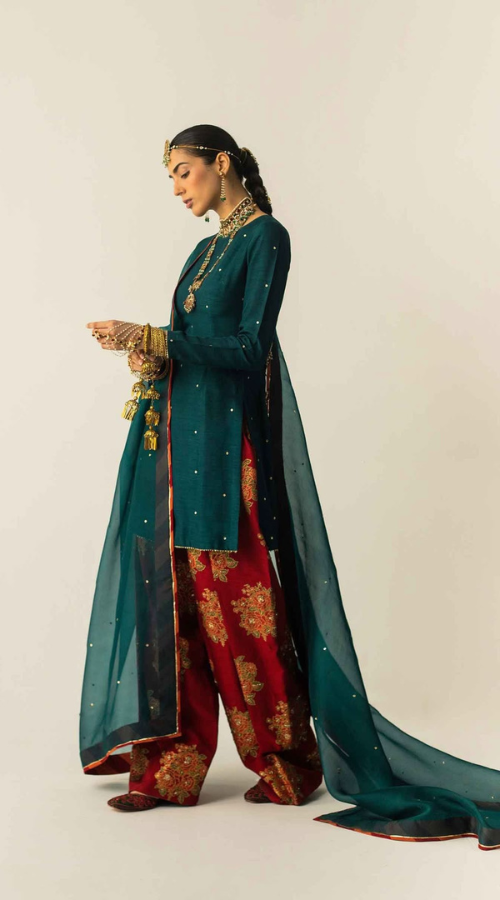
One of the most versatile aspects of the Farshi Salwar is its ability to pair beautifully with both long and short kurtas. However, proportions matter:
✔ For heavier hips: Opt for a long kameez to create a balanced, streamlined silhouette.
✔ For a structured look: A loose fitted short kurta works beautifully—just ensure it’s not too short, as this can disrupt the elegant flow of the salwar.
Also read 10 Iconic Punjabi Wedding Styles Every Bride Needs to Copy for a Royal Look
5. The Hidden Secret: Ditch the Belt for a Seamless Look
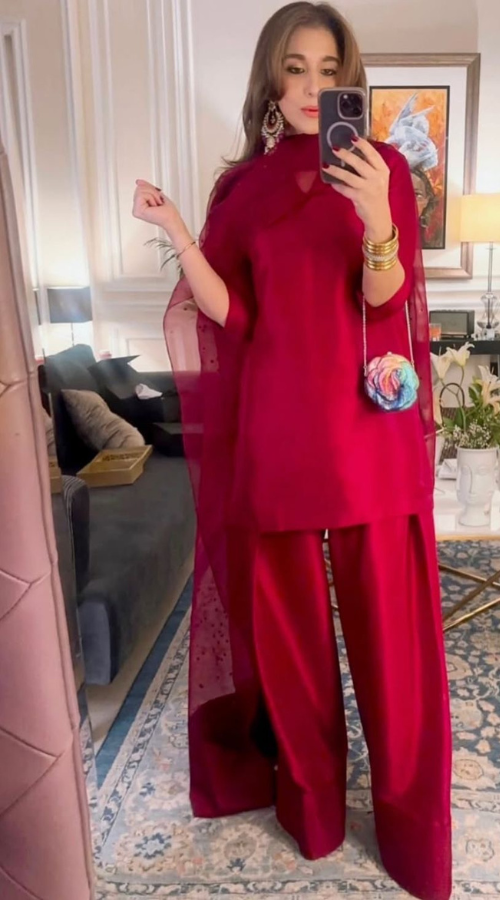
A well-stitched Farshi Salwar without a waistband offers the most flattering and natural drape. This insider tip, known among designers, ensures that the fabric falls seamlessly without interruptions, elevating the ethereal appeal of the outfit.
When & Where to Wear the Farshi Salwar
The Farshi Salwar is no longer just a relic of the past—it’s an ethnic wardrobe staple for various occasions:
- Bridal Wear – Richly embroidered Farshi Salwars with zardozi and resham work create a regal bridal look.
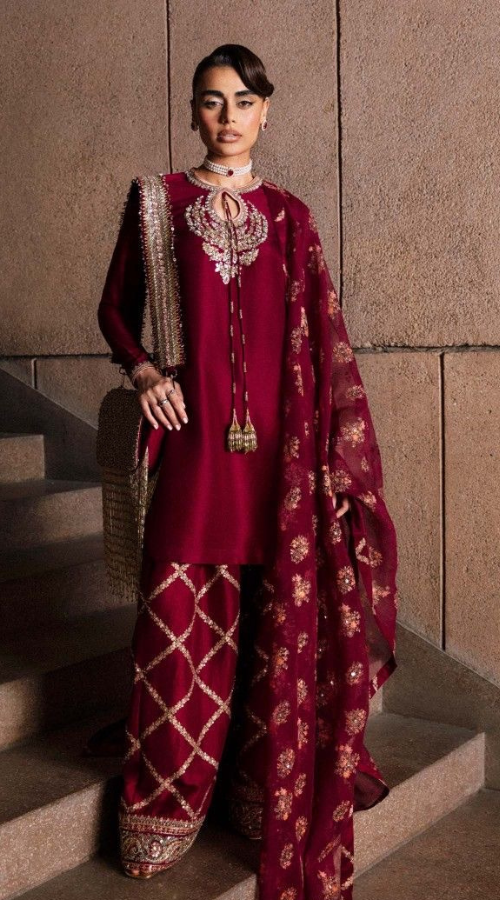
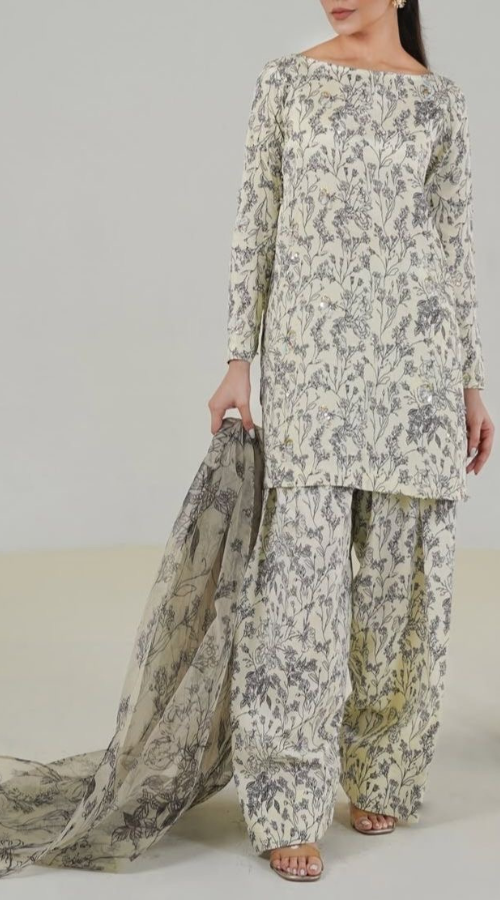
- Festive Celebrations – Opt for floral printed or lightly embellished versions for Diwali, Eid, or intimate family gatherings.

- Casual Luxe – Simpler cotton or linen variants can be paired with minimalistic accessories for a chic day-to-day look.
A Timeless Classic, Here to Stay
The Farshi Salwar is more than just a garment—it is a legacy, an art form, and a statement of grace. As we witness the renaissance of South Asian fashion, this silhouette proves that true elegance is eternal. Whether worn for a wedding, festival, or everyday glamour, the Farshi Salwar embodies the opulence of the past with the relevance of today.
Are you ready to embrace this royal revival? Let the floor-sweeping grace of the Farshi Salwar redefine your wardrobe.
Frequently asked questions:
1. What is a Farshi Salwar and how is it different from a regular salwar?
A Farshi Salwar is a traditional Mughal-era bottomwear known for its flowing, flared silhouette that trails like a lehenga. Unlike a regular salwar, which is narrow or straight-cut, a Farshi Salwar is floor-length and heavily gathered, giving it a regal and dramatic appearance.
🔹 2. Is a Farshi Salwar suitable for modern Punjabi brides?
Yes, absolutely. Many modern Punjabi brides are embracing Farshi Salwars for mehendi, nikkah, or post-wedding functions. Styled right, it balances tradition with contemporary fashion beautifully.
🔹 3. What fabrics work best for a Farshi Salwar?
Lighter fabrics like chanderi,upada,chiffon, georgette, organza, and crepe offer a graceful fall and are ideal for bridal events. Heavier silks, velvets or brocades can be used for winter weddings or more formal occasions.
🔹 4. How do I style a Farshi Salwar for a wedding function?
Pair your Farshi Salwar with a short kurti or angrakha-style top, heavy jhumkas, and a sheer dupatta. Add a belt to cinch the waist and highlight the flare.
🔹 5. Can bridesmaids wear Farshi Salwars too?
Definitely! Lighter, pastel-toned Farshi Salwars with minimal embellishment are perfect for bridesmaids who want to match the traditional theme while staying comfortable and elegant.
Cover Image The PK Label
Also Read 10 Iconic Punjabi Wedding Styles Every Bride Needs to Copy for a Royal Look